Last Updated: October 7, 2026
Finding your personal style in 2026 starts with what already hangs in your closet, not with a shopping spree. This guide from violeno.com shows you how to read your own wardrobe like a map: the colors you reach for, the fits you trust, the pieces you rebuy without thinking. Personal style is the consistent set of choices you make about clothing, color, silhouette, and accessories that expresses who you are and how you want to be seen.
Here is the good news. You have been building it for years without noticing.
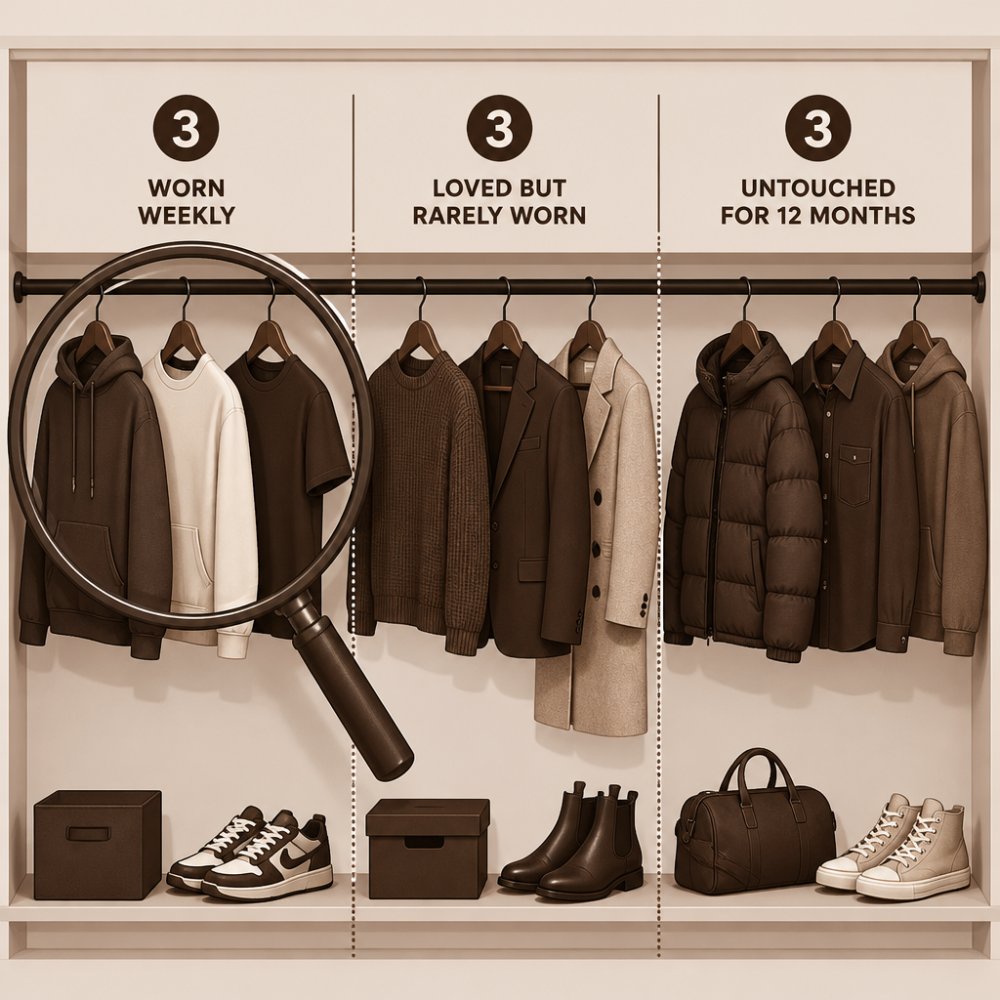
The 3-3-3 Rule is the fastest way to see it. Pull three items you wear constantly, three you love but rarely wear, and three you have not touched in a year. The first group reveals your real style. The second shows where your taste and your lifestyle disagree. The third is clutter you can clear.
Identifying your personal style means finding the patterns in what you already choose. Style identity is the recognizable thread running through your best outfits: a preference for clean lines, a signature color, a silhouette that makes you feel like yourself.
Start by tracking what you actually wear for two weeks. Note the pieces you reach for on good days and on rushed days. Then look for repeats.
Your rebuy habits are the clearest signal you have. When you replace the same item in a new version, you are voting for it twice.
Look for these patterns:
A common mistake is treating these repeats as boring. In practice, they are your style words. Write them down.
Building a wardrobe that reflects your style takes about four weeks of deliberate work, not a single overhaul weekend. The goal is a closet where most pieces work together, gaps are intentional, and nothing sits unworn. This plan adds weekly checkpoints and budget safeguards so you can measure progress without overspending.
Week 1: Closet audit and gap map. Pull everything out. Sort into keep, repair, donate, and maybe. Be honest about fit, not sentiment.
Week 2: Define your style words and color palette. Choose three descriptive words (for example, relaxed, polished, earthy) and three to five complementary colors. Test each word against five pieces you kept in Week 1. If a word doesn’t describe at least three of those pieces, replace it.
Week 3: Fill gaps only, with a spending limit. Buy versatile pieces and quality basics that connect to what you kept. Before buying, set a total budget for the month and divide it across your three gaps.
Week 4: Build ten outfit combinations and track cost per wear. Photograph each combination. For the next month, note how many times you wear each one. Cost per wear is the price divided by the number of wears, a piece worn weekly for a year beats a bargain worn twice.
If you live in a climate with four distinct seasons, repeat the gap map at the start of each season rather than rebuilding your whole wardrobe. If you work from home or have caregiving responsibilities, weight your gaps toward the clothes you wear most, not the clothes you imagine you’ll wear. The plan works because it follows your actual life, not a fantasy closet.
Creating outfits from what you own is a matching exercise, not a shopping problem. Most closets already contain enough combinations; the missing piece is a system for finding them.
Try this method:
Repeat until you have ten combinations you would genuinely wear. Most people find they need far fewer new items than expected once the combinations are visible.
The 2026 trends worth your attention are the ones that fit an existing silhouette rather than replace it. Microtrends move fast and date quickly; the pieces that last are the ones that work with what you already wear. This section also covers how to adapt trends for different lifestyles, climates, and accessibility needs, a practical angle most style guides skip.
Try:
Skip:
Trend resistance is not stubbornness. It is knowing your style words well enough to say no quickly. For footwear specifically, we curate premium sneaker brands at violeno.com with this exact idea in mind: pieces that work with a wardrobe, not against it.
A trend only works if it fits your actual week. Before trying any 2026 trend, run it through these filters:
A common pattern is to buy a trend piece and then realize it only works for one specific occasion. Before buying, name three places you will wear it, work, weekend, travel, or a regular social event. If you can’t name three, skip it. This single check prevents most trend regret and keeps your wardrobe aligned with your real life.
Experimenting with your style does not require a large budget. The trick is to test small, buy slowly, and protect yourself with clear rules before you spend.
Set these safeguards before your next purchase:
Cost per wear is the honest number. A piece worn weekly for a year beats a bargain worn twice.
Maintaining your style is a seasonal habit, not a one-time project. Set a short review every season: what you wore, what you did not, and what you want to change.
Do a closet audit twice a year. Update your style words only when they genuinely shift. Keep your outfit library current by adding new combinations as you find them.
Style evolves slowly when it is working. It jumps when your lifestyle changes: a new role, a new climate, a new occasion you dress for regularly. Let those changes guide the update rather than a trend cycle.
The hardest part of finding your personal style is trusting your own patterns over outside noise. Your closet already holds the evidence. Your rebuy habits confirm it. The four-week plan turns it into a wardrobe that works.
At violeno.com, we support that work with a curated collection of premium footwear and styling guides built to help you coordinate pieces with confidence. Shop the collection and build outfits that feel like you.
The 3-3-3 rule is a simple packing or wardrobe editing guideline: choose 3 tops, 3 bottoms, and 3 pairs of shoes. These nine items can create dozens of outfit combinations. It forces you to focus on versatile pieces that mix and match easily. Try it for a week and note which combinations feel most like you. This exercise reveals your personal style preferences quickly, without buying anything new.
Start by auditing what you already wear. Pull out the 10 items you reach for most often. Look for patterns in color, silhouette, and fabric. Then define your style in three words, such as classic, relaxed, or bold. Use those words as a filter for future purchases. This method, called how to identify your personal style, works because it is based on your real behavior, not aspirational trends.
Microtrends fade quickly, but specific items cycle out. In 2026, overly distressed denim and logo-heavy pieces are losing momentum. Instead, focus on quality basics and versatile pieces that transcend trends. The key is trend resistance: if a piece does not fit your style words or lifestyle, skip it. Your personal style should outlast any single season.
Map your week: how many days are work, casual, or occasion dressing? Then identify silhouettes and fits that feel comfortable. For example, if you are on your feet, prioritize supportive footwear and relaxed tailoring. Use a repeatable fit check: raise your arms, sit down, and walk. If something restricts you, it will not get worn. Build your wardrobe around clothes that pass this test.
Start with a closet audit. Remove anything that does not fit or feel like you. Group what remains by category. Identify wardrobe gaps, such as a missing neutral layer or versatile shoes. Then create 10 outfit combinations using only what you have. This is how to build a wardrobe that reflects your style without starting from scratch. Add new pieces only to fill specific gaps.
Choose one or two trends per season that align with your style words and body shape. For 2026 fashion trends for women over 50, consider relaxed tailoring or rich earth tones. Test the trend in a low-cost way, like a scarf or accessory, before investing. If it feels authentic and comfortable, integrate it. If not, let it go. Trends should serve your style, not define it.